
Managing money doesn’t have to be confusing or stressful. With the best financial tips, anyone—regardless of income level—can take control of their finances, reduce anxiety, and create a secure future. Whether you’re just starting your financial journey or trying to fix past mistakes, smart money habits can change everything.
This guide breaks down practical, easy-to-follow strategies that real people use every day. No jargon. No unrealistic promises. Just clear, honest advice you can apply immediately.
Understanding the Importance of Financial Literacy
Financial literacy is the foundation of smart money management. It helps you make informed decisions, avoid costly mistakes, and plan for both short- and long-term goals.
Why Financial Knowledge Matters
- Prevents unnecessary debt
- Improves decision-making
- Builds confidence with money
- Supports long-term wealth creation
Common Financial Mistakes People Make
- Living beyond their means
- Not saving early
- Ignoring emergency funds
- Relying on credit cards
According to Investopedia (https://www.investopedia.com), financial education directly impacts long-term financial stability and wealth-building success.
Best Financial Tips for Building a Strong Foundation
These core principles apply to everyone, regardless of age or income.
Create a Realistic Monthly Budget
A budget tells your money where to go instead of wondering where it went.
- Track income and expenses
- Use the 50/30/20 rule
- Adjust monthly as needed
Pay Yourself First
Before spending on anything else, set aside money for savings. Automate it if possible.
Build an Emergency Fund
Aim for 3–6 months of living expenses to protect against job loss or emergencies.
Smart Saving Strategies That Actually Work
Saving isn’t about deprivation—it’s about intention.
Start Small but Stay Consistent
Even $10 a week adds up over time. Consistency matters more than amount.
Use High-Yield Savings Accounts
Your money should work for you, not sit idle.
Set Clear Savings Goals
Examples:
- Vacation fund
- Home down payment
- Education
Debt Management Tips You Should Follow
Debt can block financial progress if not handled wisely.
Understand Good vs Bad Debt
- Good debt: education, mortgage
- Bad debt: high-interest credit cards
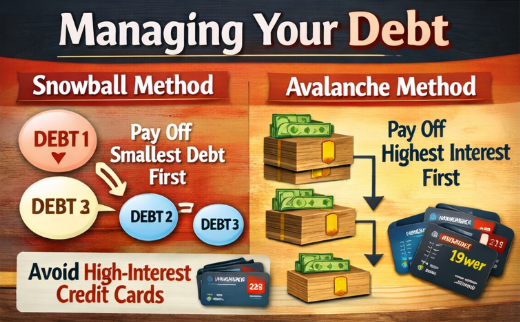
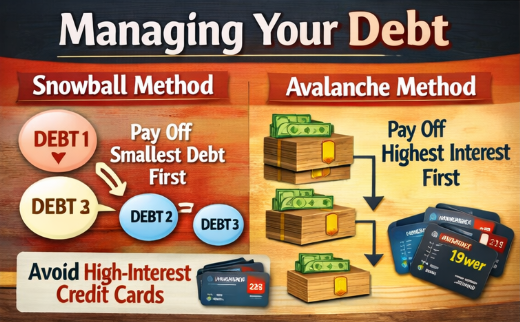
Use the Snowball or Avalanche Method
- Snowball: pay smallest balances first
- Avalanche: pay highest interest first
Avoid Lifestyle Inflation
Just because you earn more doesn’t mean you should spend more.
Investing Basics for Long-Term Wealth
Investing is essential for beating inflation and growing wealth.
Start Investing Early
Time in the market matters more than timing the market.
Diversify Your Portfolio
Spread risk across:
- Stocks
- Bonds
- Index funds
- ETFs
Think Long-Term
Avoid emotional investing. Stick to your strategy.
Best Financial Tips for Daily Money Habits
Small daily actions create big results.
Track Every Expense
Awareness leads to better decisions.
Use Cash or Debit More Often
This reduces impulse spending.
Cancel Unused Subscriptions
Streaming services, apps, and memberships add up fast.
Protecting Your Financial Future
Security is just as important as growth.
Get Proper Insurance
- Health
- Auto
- Home
- Life
Plan for Retirement Early
Take advantage of employer-matched retirement plans.
Create a Simple Financial Plan
Include:
- Goals
- Timelines
- Risk tolerance
Financial Tips for Different Life Stages
In Your 20s
- Build credit responsibly
- Start saving early
- Learn investing basics
In Your 30s–40s
- Increase retirement contributions
- Reduce high-interest debt
- Plan for family expenses
In Your 50s and Beyond
- Protect assets
- Reduce risk
- Focus on income stability
Psychology of Money: Mindset Matters
Your beliefs about money influence your behavior.
Avoid Emotional Spending
Pause before purchases.
Practice Gratitude
Contentment reduces unnecessary spending.
Focus on Progress, Not Perfection
Financial growth is a journey, not a race.
Frequently Asked Questions (FAQs)
What are the best financial tips for beginners?
Start with budgeting, saving consistently, and avoiding unnecessary debt.
How much should I save each month?
Ideally, at least 20% of your income, but any amount is a good start.
Is investing risky?
All investing carries risk, but long-term diversified investing reduces it.
Should I pay off debt or save first?
Do both—build a small emergency fund while paying down high-interest debt.
How can I improve my financial discipline?
Automate savings, track expenses, and set clear goals.
Are financial advisors worth it?
They can be helpful, especially for complex financial situations.
Conclusion: Take Control of Your Money Today
The best financial tips are not about getting rich overnight—they’re about building habits that protect your future. Start where you are, use what you have, and stay consistent. Financial freedom is possible when smart decisions become daily habits.