
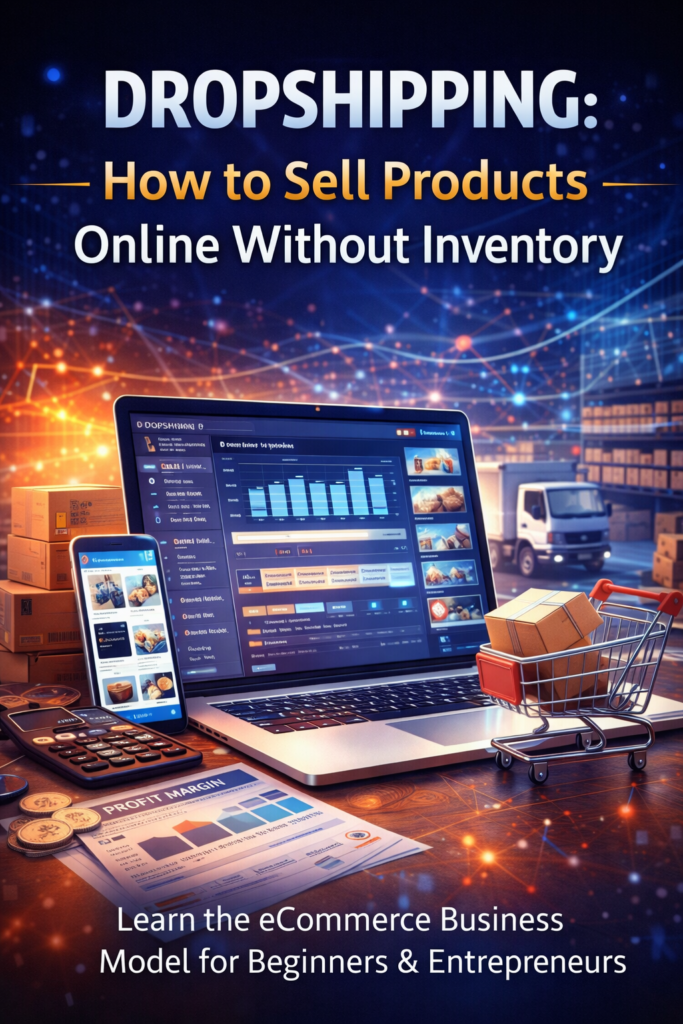
In recent years, dropshipping has emerged as one of the most popular business models in eCommerce. It offers entrepreneurs a low-risk, low-investment way to sell products online. But what exactly is dropshipping, how does it work, and why is it gaining so much attention? This article explains everything you need to know about dropshipping in 2026.
Understanding Dropshipping
Dropshipping is a retail fulfillment method where a store does not keep the products it sells in stock. Instead, when a customer places an order, the store purchases the item from a third-party supplier—often a manufacturer, wholesaler, or another retailer—and has it shipped directly to the customer.
This means the seller never physically handles the product. Instead, the focus is on marketing, customer acquisition, and managing the online store. Essentially, the dropshipper acts as a middleman between the supplier and the customer, making it possible to run an eCommerce business with minimal upfront investment.
How Dropshipping Works
The dropshipping process can be broken down into four main steps:
- Customer Orders: A customer places an order on your online store.
- Order Forwarding: The order details, including product and shipping information, are forwarded to a supplier.
- Supplier Fulfillment: The supplier packages and ships the product directly to the customer.
- Profit Margin: The store owner earns the difference between the retail price and the supplier’s price.
For example, if you sell a pair of wireless earbuds for $50 and your supplier charges $30, your profit margin is $20.
This process allows entrepreneurs to run a store without investing in inventory, warehouses, or shipping logistics.
Advantages of Dropshipping
1. Low Startup Costs
Unlike traditional retail, dropshipping doesn’t require purchasing inventory in bulk. You only pay for products after a customer places an order, which drastically reduces financial risk.
2. Location Independence
All you need to run a dropshipping store is an internet connection. This allows entrepreneurs to operate from anywhere in the world, making it an attractive option for digital nomads or remote workers.
3. Wide Product Selection
Because you don’t need to stock products, you can offer a wide variety of items in your store. This flexibility allows testing multiple niches without committing to large inventory purchases.
4. Scalability
Since the supplier handles fulfillment, scaling your business is easier. You can expand your store, add new products, or run multiple marketing campaigns without worrying about logistics.
Challenges of Dropshipping
While dropshipping has many advantages, it also comes with several challenges:
1. Lower Profit Margins
Because dropshipping is highly accessible, competition is intense. Many sellers offer similar products, which can drive prices down and reduce profit margins.
2. Supplier Dependence
You rely on third-party suppliers for product quality, stock levels, and shipping. If a supplier makes a mistake, it directly impacts your business and reputation.
3. Limited Control Over Shipping
Delivery times vary depending on the supplier’s location. Slow shipping can frustrate customers and affect reviews, especially for stores targeting local markets.
4. Quality Control
Since you never handle the product, you depend entirely on the supplier for quality. Poor-quality products can result in returns, negative reviews, and lost customers.
Types of Dropshipping Models
Dropshipping is not one-size-fits-all. There are several approaches you can take:
- General Dropshipping: Sell trending products across various niches. This model is fast to start but highly competitive.
- Niche Dropshipping: Focus on a specific category, like fitness accessories, pet products, or tech gadgets. This allows for stronger branding and customer loyalty.
- Branded Dropshipping: Work with a supplier to create products with your logo or custom packaging. This enhances trust and allows higher pricing.
- Private Agent Dropshipping: Use private suppliers or agents to manage inventory, shipping, and sourcing. This model gives faster shipping and better control but requires more upfront setup.
Professional dropshippers often move from general or niche dropshipping to branded or private agent models to maximize profit and long-term sustainability.
Common Myths About Dropshipping
1. “Dropshipping Is Dead”
False. While low-effort copycat stores are declining, professional, branded dropshipping is still highly profitable.
2. “It’s Passive Income”
False. Dropshipping requires ongoing marketing, customer service, and management. AI and automation tools can reduce workload, but it is still a business that demands attention.
3. “You Don’t Need Marketing Skills”
False. Success depends heavily on traffic generation through paid ads, social media, and SEO.
Is Dropshipping Right for You?
Dropshipping is ideal for:
- Beginners in eCommerce who want low-risk startup options
- Entrepreneurs testing product ideas before scaling
- Digital marketers looking to sell online without logistics headaches
- Creators who want to monetize a niche audience through product sales
However, success requires strategic product selection, reliable suppliers, effective marketing, and strong customer service.
Conclusion
Dropshipping is a legitimate eCommerce model that allows anyone to sell products online without holding inventory or managing fulfillment. While it comes with challenges like lower margins and supplier dependency, its low startup cost, scalability, and flexibility make it a powerful option for beginners and professional entrepreneurs alike.
When approached professionally—with a focus on branding, marketing, and quality control—dropshipping can become a sustainable, profitable online business and a stepping stone to full-scale eCommerce success.